On Page SEO Techniques: The Complete Guide to Better Website Rankings
In today’s digital world, businesses and websites need visibility to attract customers online. One of the most effective ways to improve search engine rankings is by using on page seo techniques. These methods help search engines understand your content and improve the user experience at the same time. By applying the right on page seo techniques, websites can increase traffic, improve engagement, and achieve better online growth.
What Are On Page SEO Techniques?
On page seo techniques are the optimization strategies used directly within a webpage to improve its ranking on search engines like Google. These techniques focus on content quality, keywords, HTML structure, internal links, images, and website performance.
Unlike off-page SEO, which depends on backlinks and external promotion, on-page SEO is completely within your control. A properly optimized webpage helps search engines understand the topic of your content while also providing a smooth experience for visitors.
Some important elements of on-page SEO include:
- Keyword optimization
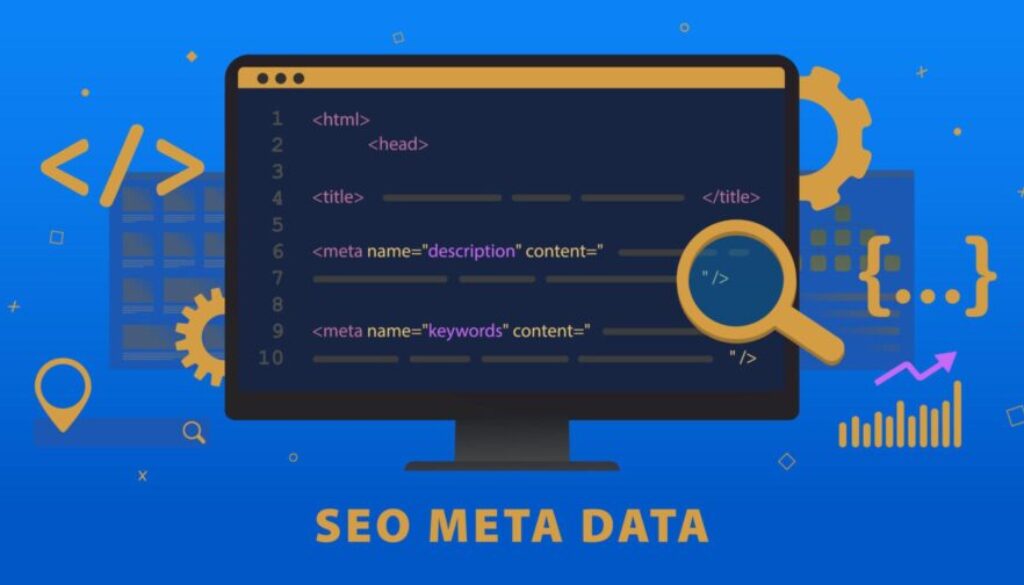
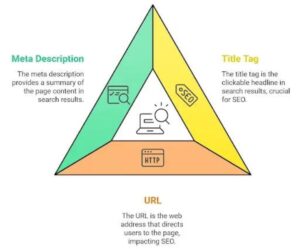
- Meta titles and descriptions
- Heading structure
- Internal linking
- Mobile responsiveness
- Image optimization
- Page loading speed
Implementing these elements correctly can help websites rank higher and attract more organic traffic.
Why On Page SEO Techniques Are Important
Search engines aim to provide users with the most relevant and high-quality results. If your website is not optimized properly, search engines may struggle to understand your content.
Using effective on page seo techniques provides several benefits:
- Improves website visibility
- Increases organic traffic
- Enhances user experience
- Reduces bounce rate
- Helps search engines crawl pages efficiently
- Improves conversion opportunities
Websites with strong on-page SEO often perform better than competitors with poor optimization.
Best On Page SEO Techniques for Higher Rankings
1. Use Keywords Naturally
Keywords play a major role in SEO success. Your target keyword should appear naturally throughout the content without overstuffing.
Important places to include keywords:
- Title tag
- First paragraph
- Subheadings
- Meta descriptionImage alt text
- URL
Natural keyword placement improves readability and helps search engines identify the topic clearly.
2. Create High-Quality Content
Content quality is one of the most important ranking factors. Users prefer content that is useful, informative, and easy to understand.
To create better content:
- Use simple language
- Answer user questions clearly
- Add examples and explanations
- Keep paragraphs short
- Use bullet points for readability
High-quality content increases user engagement and improves time spent on the page.
3. Optimize Title Tags and Meta Descriptions
Title tags are one of the first things users see in search results. A strong title should include the target keyword and encourage clicks.
Example:
Best On Page SEO Techniques for Website Growth
Meta descriptions should summarize the content in around 150–160 characters while making users interested in visiting the page.
4. Improve Website Speed
Website speed directly affects user experience and SEO performance. Slow-loading pages often lead to higher bounce rates.
Ways to improve speed include:
- Compressing images
- Using caching
- Reducing unnecessary scripts
- Choosing reliable hosting
Fast websites provide a better experience and rank more effectively.
5. Optimize Images Properly
Images improve visual appeal and engagement, but they should also be optimized for SEO.
Tips for image optimization:
- Use descriptive file names
- Add keyword-rich alt text
- Compress large image files
- Use high-quality images
Optimized images help search engines understand the content and improve page speed.
Mobile Optimization and User Experience
Today, most users browse websites through smartphones. Google also prioritizes mobile-friendly websites through mobile-first indexing.
Important mobile optimization practices include:
- Responsive web design
- Readable font sizes
- Easy navigation
- Fast loading speed
- A mobile-friendly website improves both user experience and search engine rankings.
Internal Linking in On Page SEO Techniques
Internal linking connects pages within your website. This helps users navigate easily while allowing search engines to crawl your content more efficiently.
Benefits of internal linking:
- Improves website structure
- Increases user engagement
- Passes SEO value between pages
- Helps visitors discover related content
For example, a blog about SEO can link to related pages about social media marketing, web design, or content marketing services.
Conclusion
Using the right on page seo techniques can greatly improve your website’s visibility, traffic, and overall online success. From keyword optimization and content quality to mobile responsiveness and internal linking, every element contributes to better search engine performance.
If you want professional guidance to improve your business website and digital presence, connect with a digital marketing strategist in kannur for expert SEO and online marketing solutions.